
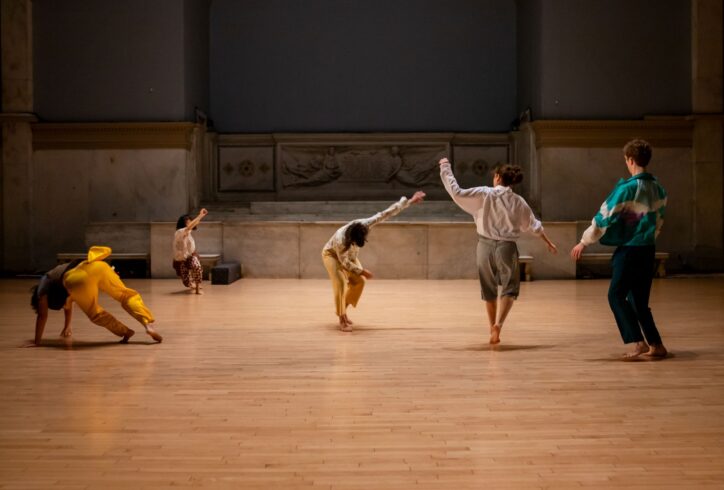
What is the Movement Research Artist-in-Residence (AIR) program?
A residency program providing commissioning support, rehearsal space, performance and related opportunities designed to support the individualized creative process of early career and movement-based artists.
Six (6) artists will be selected to participate in the 2027-2028 Movement Research Artist-in-Residence program via this application process. Applications will be reviewed and selected through a peer artist review process.
Artists are selected through a panel review process and are invited to participate in the 18 month long residency which will begin on July 1, 2027 and conclude on December 31, 2028.
Through the Artist-in-Residence Program, Movement Research supports rigorous and wide-ranging artistic investigations that are dance and movement-based, but that may incorporate other disciplines and collaborations, with a focus on experimentation. Selected artists reflect a range of directions and approaches to making work such that there is an interesting confluence of artistic ideas being explored over the course of the coming years.
Movement Research continuously seeks to engage a more diverse and inclusive participant body and strives to recognize individuality and create equal opportunities for all, regardless of race, class, gender, disability, ethnicity, sexuality, immigration status or age. MR is committed to maintaining a strong connection to an existing diverse community of experimental artists and audiences, while at the same time expanding its definition of experimentation to more broadly include working within and pushing the boundaries of all movement-based forms. Movement Research recognizes the incredible need to diversify the range of aesthetics, cultural and socio-economic backgrounds represented on NYC stages and strongly encourages applications from individuals aligned with this vision.
Who is eligible to apply?
Artists must apply as individuals. Movement based artists who are working collaboratively in an ongoing collaborative or collective structure should contact apply@movementresearch.org for eligibility consideration as a collaborative team on a case-by-case basis.
Applicant must be a resident of New York City. Resident means that your permanent mailing address is in New York City/one of the 5 Boroughs and have been a resident for at least one year prior to applying for the program.
Applicant must be working in the field of dance and other movement-based forms.
Applicant must be an early career “generative artist with 2–10 years of experience creating and presenting new, original work. Jerome’s primary consideration around early career status, and eligibility, is timeframe working as a generative artist.” Please visit the Jerome website for further information on what constitutes an early-career, generative artist as defined by the Jerome Foundation. https://www.jeromefdn.org/jerome-eligible-artists
Applicant must not be enrolled full-time or part-time in a school or University program, nor as a low resident student in a degree-granting education program. The Jerome Foundation defines “student” in terms of enrollment/matriculation status, not contact hours, so low-residency MFA students are not eligible. Artists who are in an MFA or PhD program must complete the program and have graduated prior to participation in any Jerome-funded programs.
Past Movement Research Artists-in-Residence are not eligible to apply for this opportunity.
Application Process
Movement Research collects and reviews submissions via Submittable. The first step of the submission process is to create a Submittable account, or sign into your existing account. When creating an account, you will be asked for your name, your email address, and a password of your choosing.
Individuals for whom access to an internet or wifi enabled device and/or a reliable Internet connection is not possible should contact Movement Research at (212) 598-0551 (voice only) for guidance.
For accessibility purposes, if Submittable is not accessible to you, your application can be sent to Movement Research as an attachment via email. Acceptable file types: .doc, .docx, .pdf. The full list of application questions is below, but if for accessibility reasons you need them sent to you, please send an email to apply@movementresearch.org. Please note that the deadline for submitting the application as an attachment is the same as the deadline for submitting your application.
If you have accessibility-related questions, please email accessibility@movementresearch.org, subject line “2027-2028 MR Artist-in-Residence Application.”
Application Questions
Be prepared to provide the following information when submitting your online application. You may not save applications in progress. Once applications are submitted, they cannot be edited. Movement Research will accept only one application per artist.
- Contact Information
- Including name, pronouns, address, phone number, email, and website (optional).
- Introduction (suggested 100-200 words or less)
- Introduce yourself to the panel. This could be your bio, or a more personalized/narrative way of introducing yourself and your professional trajectory in the field thus far. This is intended to help familiarize the panel with you as an artist in your own words.
- Please use this section to explain any pauses or breaks in the time you have been a generative artist for reasons such as obtaining a degree, tending to family expansion, health, etc.
- Introduce yourself to the panel. This could be your bio, or a more personalized/narrative way of introducing yourself and your professional trajectory in the field thus far. This is intended to help familiarize the panel with you as an artist in your own words.
- Artistic Statement (suggested 300 words or less)
- Describe your artistic/creative practice;
- Describe any concepts, materials, subjects, processes, structures, or questions central to your work;
- Include any motivations, intentions, or inspirations that are a critical part of your artistic process as a whole or for the proposed residency.
- Things to consider when writing your artistic statement:
- It is important for the panel to understand a connection between your artistic statement and your work samples. Feedback we often receive is that the work sample(s) offered and accompanying description(s) do not demonstrate what applicants have expressed in their artistic statement.
- This residency program supports dance and movement-based experimentation. Emphasize how your proposed creative research demonstrates this fundamental aspect of the program.
- Be specific! Avoid broad statements, let the panel know what you are working on and are curious about.
- Relevance of Residency (suggested 200 words or less)
- Review the Resources provided by Movement Research during your residency under the dropdown “Residency Resources” on this webpage.
- Please discuss both your professional and artistic goals for the residency period.
- How are each of the resources and activities provided through the Movement Research Artist-in-Residence program relevant to your current artistic process.
- Please review the AIR resources and Movement Research’s current programs and offerings to familiarize yourself with the types of programming we offer.
- Please be specific and realistic! It is helpful for the panel to understand specifics about how you plan to use these resources.
- The MR AIR program is a cohort-based residency, and cohort meetings are an integral part of the program. How do you feel a cohort-based residency will support your creative research?
- If you anticipate participating in any other residencies, programs, or travel that would affect how you are able to participate in the MR Artist-In-Residence program, please tell us more.
- Artistic CV or Resume (must be formatted as a PDF document)
- Please submit an artistic CV or resume highlighting your professional choreographic work. You may include, if relevant, experience teaching and/or performing in work by other artists/choreographers.
- Two Work Samples (3-5 minute sections). Please consider the following when selecting your work samples:
- Offer a clear representation of your current research/choreographic work.
- Think carefully about your cue points! Choose a section that clearly demonstrates your practice/research/etc.
- Write your description assuming that the panelists are not familiar with your work.
- Provide context regarding your work samples and how they connect to your residency goals and artistic statement.
- Think about the relationship between your two work samples. For example, one could be from a recent performance, the second may be rehearsal footage of a current process. They may also be cue points to different sections of the same work.
- If your work is durational in nature, consider using your two work samples to share the progression of the work over a longer period of time.
- Please take into account the following when submitting your work samples:
- Please provide a direct URL link to a video of your online work sample – YouTube, Vimeo, or other. Vimeo is preferred.
- Sample may be footage from a performance, rehearsal, or in-process showing. When possible, choose a sample that unfolds in “real time,” as opposed to multiple clips edited together. Please do not submit “promo videos,” “teasers,” or “choreography reels.”
- For each work sample, include one cue point to a representative 3-5 minute section. Please include as much of the full work as possible should the panel want to view the sample further.
- Work sample description (200 words or less). Please explain the relationship between the work sample, your artistic statement, and your current practice. If there is no direct relationship, please share why you chose this specific work sample. Please provide a list of collaborators.
- Demographic Information Form
- Movement Research collects demographic information for internal use only. This information is used to evaluate the reach and access of our programs and in reporting to our funders. Internal demographic evaluation and reporting with funders will be done anonymously. We acknowledge the complexities inherent in this type of information collection and are committed to the ongoing examination of the language used around demographics.
- The Demographic Information Form must be completed and submitted to consider your application complete.
- This information will NOT be made available to the Selection Panel as a part of your application and is NOT factored into the selection process.
- If you would rather not provide demographic information to Movement Research, you may indicate ‘N/A’ or ‘Decline to provide information’ within the form itself.
- We realize that you may have filled out this form in previous years, but we ask that you complete it again at this time. It is important that we collect this information each year in order to evaluate this information in relation to specific programs.
Residency Resources
Resources provided by Movement Research during the residency:
- A residency fee of $5000;
- 125 hours of free rehearsal space in Movement Research Studios;
- Up to two free workshops in each MELT intensive series;
- Access to reduced rates for MR classes and and select workshops;
- Consultations with Movement Research Staff in individual and group settings;
- Engagement with MR AIR Artist Advisor in cohort meetings;
- Information about professional opportunities and resources (grants, residencies, etc.);
- Invitations to attend special events (receptions, etc.).
During the residency, each AIR is required to participate in the following activities:
- Share work on the Movement Research at the Judson Church performance series. Artists will receive a $500 performance fee;
- Engage in Artist-in-Residence cohort meetings every 6 weeks on topics determined by the artists;
- Submit a final report at the end of the residency detailing activities throughout the year;
- Credit the Movement Research Artist-In-Residence program in digital and print promotional materials.
Required Residency Activities
During the residency, each AIR is required to participate in the following activities:
- Share work as part of the Movement Research at the Judson Church performance series. AIRs receive a $500 performance fee;
- Attend AIR cohort meetings every 6 weeks on topics determined by the artists;
- Participate in individual AIR meetings with the Director of Artist Programs;
- Submit a final report at the end of the residency detailing activities throughout the year.
- Credit the MR AIR program in digital and print promotional materials.
2026-2027 Artists-In-Residence
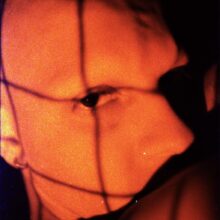
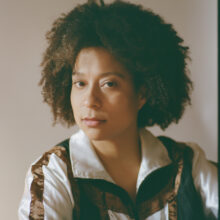
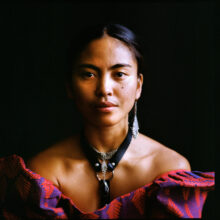
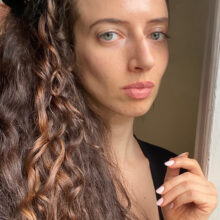
2025-2026 Artists-In-Residence
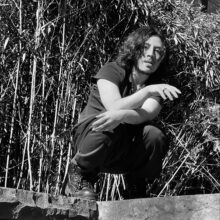
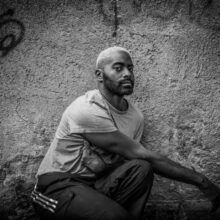
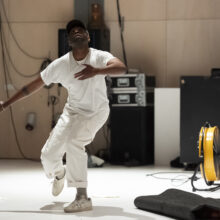
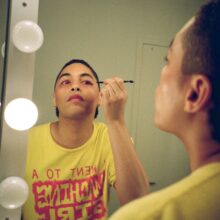
2024 Artists-In-Residence

2023 Artists-In-Residence
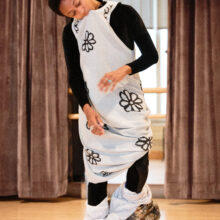
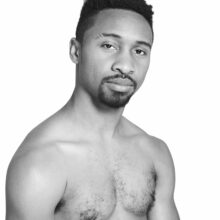
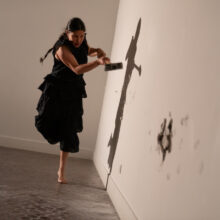
2022 Artists-In-Residence
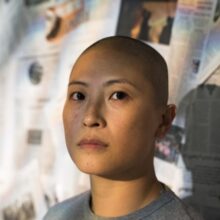
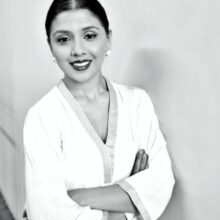
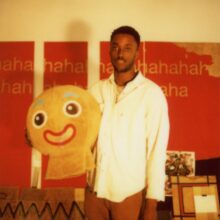
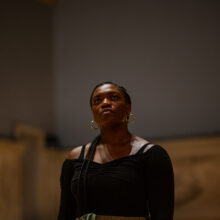
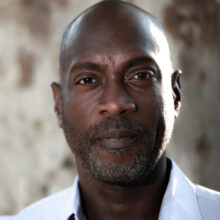
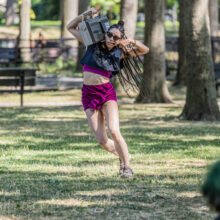
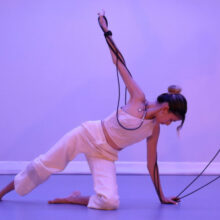
2021 Artists-In-Residence
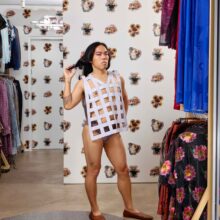
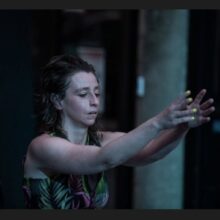
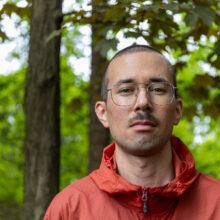
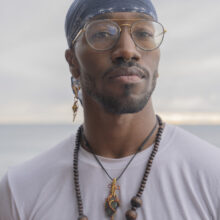
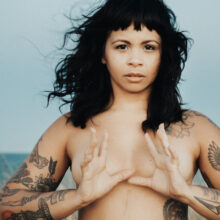
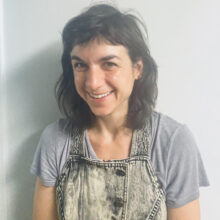
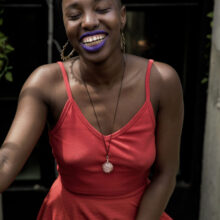
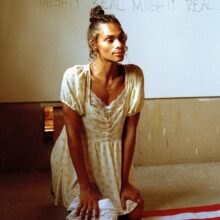
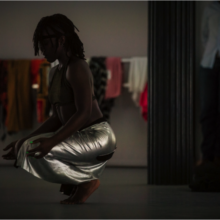
2020 Artists-In-Residence
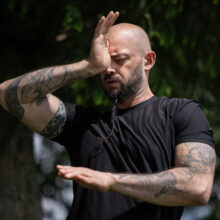
2019 Artists-In-Residence
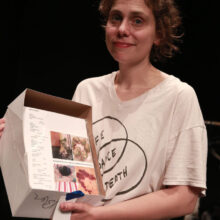
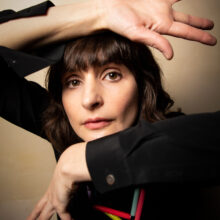
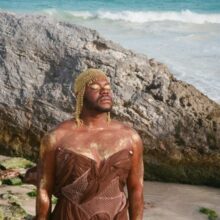
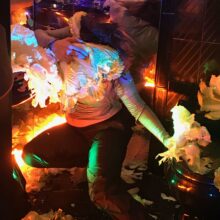
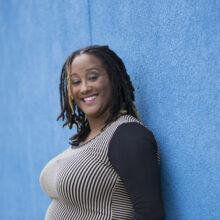
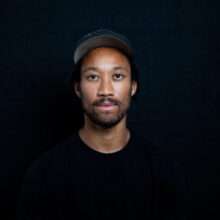
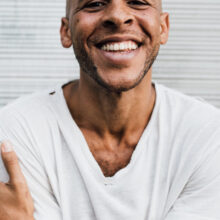
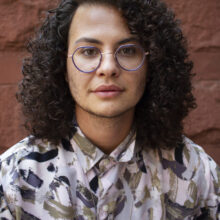
2018 Artists-In-Residence

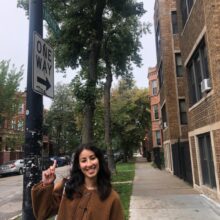
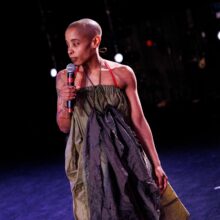
2017 Artists-In-Residence
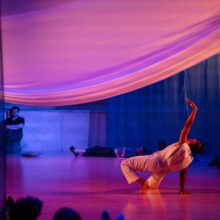
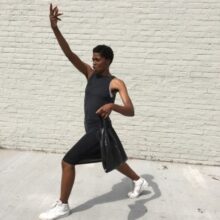
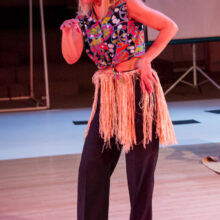
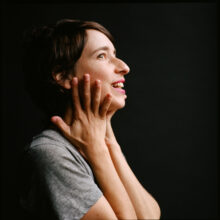
2016 Artists-In-Residence
2015 Artists-In-Residence
Application Status
Application opens: October 6, 2026 at 12:00am EDT
Application closes: November 10, 2026 at 11:59pm EST